Max Planck Institute for Marine Microbiology · Bremen
Filtration –as easy as makinga cup of coffee.
Standardized, simplified, and accessible to everyone.
Standardized, simplified, and accessible to everyone.
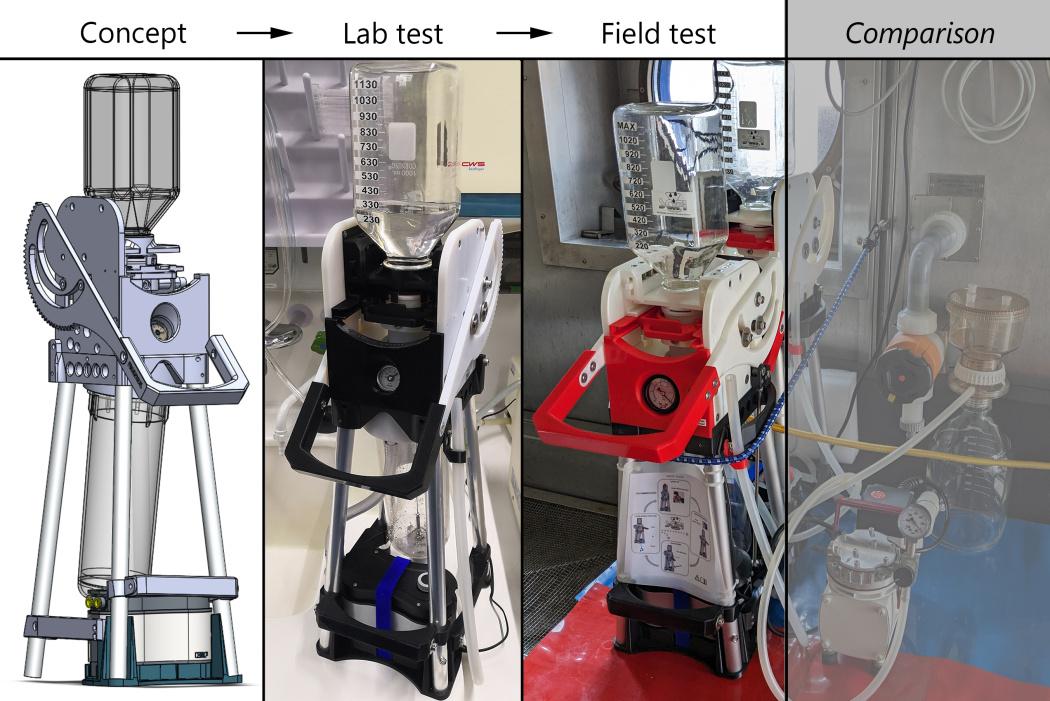
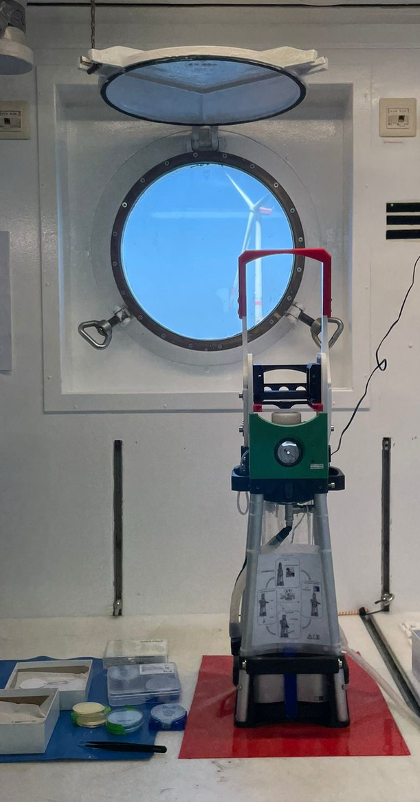
How many scientists does it take to collect a high-quality sample? None! That was the stated goal in 2021, when the SciFi 1 (simple scientific filtration) first saw the light of day. Since then, it has been part of more than 25 scientific expeditions, is used in teaching and citizen science projects, and provided thousands of environmental samples to better understand aquatic environments. It also served as the blueprint for its sister device: the SciFi 2 (planned launch autumn 2026).
The SciFi 2 is the result of five years of field-testing the SciFi 1, implementing user feedback and improving it all the time along the way. One of its key innovations: It is smart. Gone are the days of keeping records by hand — the SciFi 2 does this for you, making it even more accessible to a broad range of users at any experience level, while being more convenient and more sustainable. A device that brings us a major step closer to fulfilling our mission goals.

Researchers at institutes and universities who need reproducible, low-contamination samples for their studies, but do not want to spend more time with it than necessary.

Authorities and organizations (e.g. environmental agencies and conservation bodies) that need to take recurring, non-invasive samples over long periods, while staying within a limited budget with no specialized lab staff on site.

Schools, university teaching, citizen-science projects that benefit from an easy to understand, easy to operate piece of equipment.

Companies with regulatory or operational needs around water/sample quality control (e.g. offshore wind, aquaculture, (waste)water management) that need to integrate testing into existing workflows.
…a colleague once said, describing a key part of a marine scientist’s daily life. A bit dramatic? Maybe, but at its core a statement anyone can relate to who has ever depended on this unassuming method. A group that is growing by the day. Whether for research, environmental monitoring, or checking of the water quality: filtration – the separation of liquids and solids – is a key method across many industries, yet it has seen little innovation in recent years.
"That has to change!" said the team at the Max Planck Institute for Marine Microbiology 2021, and developed a device whose first version has been making waves for over five years now. Out of this success, and supported by the MAX!mize incubator program, the startup Thalassys was born.
Our mission goals:
1) Filtration should no longer be a "bane of anyone’s existence," but as easy as making a cup of coffee – for science, environmental monitoring, education, and industry;
2) Transfer of innovative ideas and technology out of science and into the public sphere, ensuring access and their long-term availability.
Currently a scientist at the Max Planck Institute for Marine Microbiology, work-package leader and data manager for a government-funded CREATE-2 project (sustainMare Mission).
Currently a postdoctoral scientist at the University of Marburg.
Group leader at University of Bremen, former entrepreneur.
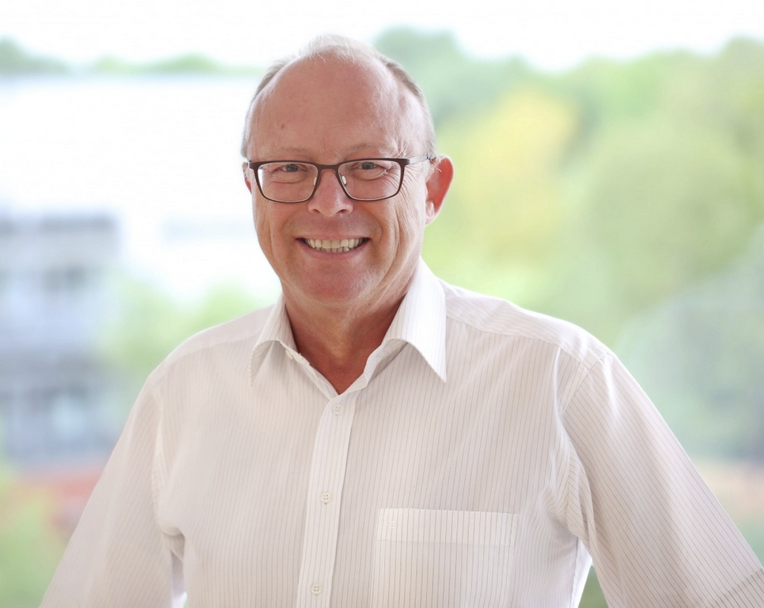
Managing director of the Max Planck Institute for Marine Microbiology.
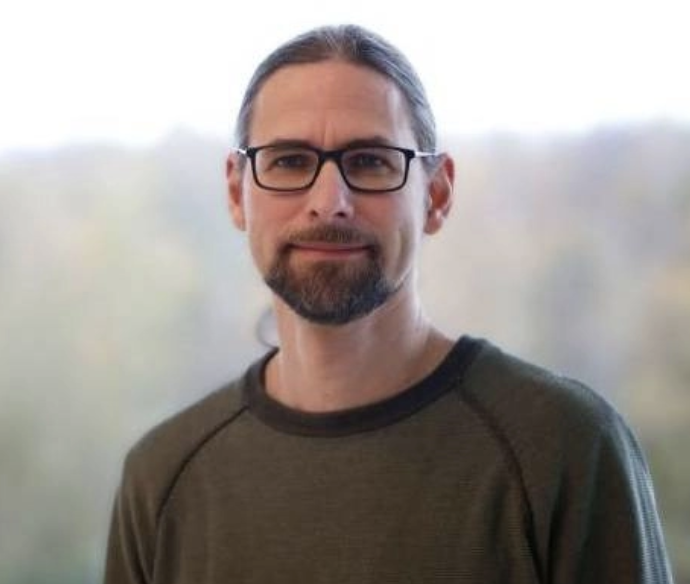
Senior engineer at the Max Planck Institute for Marine Microbiology.
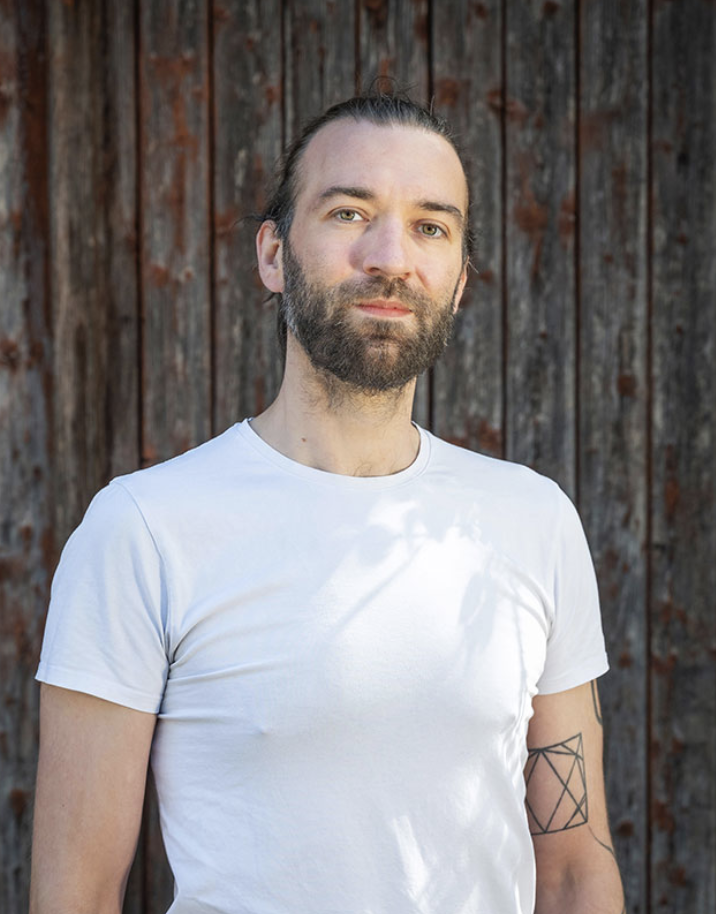
CTO danach.de, Senior software developer (Equal Minds GmbH).
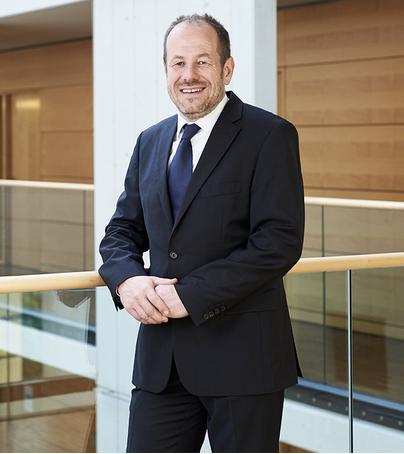
Senior Start-up & Equity Manager at Max-Planck-Innovation.
We are supported by the MAX!mize incubator program, the Max Planck Institute for Marine Microbiology and the Max Planck Society.